
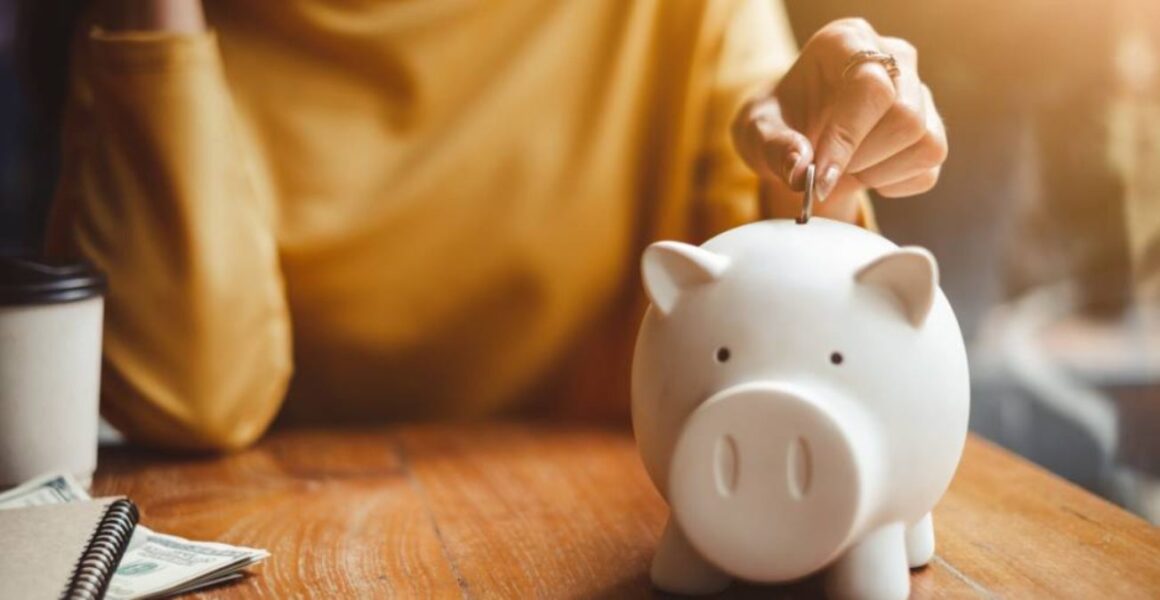
If saving is not your thing but you know that your economy needs it, this article is for you. We know that it is something complicated and that not everyone can do it the right way, but perhaps it is that you have not found the perfect method to grow your savings and take advantage of your income in the best possible way. We tell you the main savings methods that we must apply to your day-to-day.
Table of Contents
Kakebo method
Its name comes from Japanese, being a method that will help us to have control of expenses and the economy of our home. For this, it is based on the conscious use of our income and dividing the expenses respecting the savings strategy that we have planned.
The method will not only help us to save but also know ourselves better: our consumption habits, the real income we have, the responsible use we make of it and to know what we use it for.
How does the Kakebo method work?
In order to implement the Kakebo method, the following steps must be followed:
- We must establish a monthly budget: we subtract the fixed expenses from the income for the month. The result that we obtain will be the remaining money that we have to spend in the month. Reducing fixed expenses can help us increase the total we have to spend.
- Control what we spend in our day to day. It is essential to carry out a record, since we will have to write down in a small notebook (or in digital) everything that we spend every day.
- Do weekly review. When we have entered several expenses, we must review week by week what our expenses have been and where. We can create categories to see what we have spent it on.
- Monthly valuation. Make conscious use of money and see in which categories we can improve. For example, spending less on eating out and spending more on food, or more on technology.
50/30/20 method
Saving with a small income is also possible. The 50/30/20 method is widely used in finance for different purposes. In this sense, this method will allow us to divide our spending into three subdivisions depending on our economic capacity and needs, obviously. It would look like this:
- 50% of our payroll will go to our fixed expenses. Here we will include what we are going to spend for basic necessity: car bills, mortgage, electricity, gas, supermarket expenses, etc.
- 30% of our payroll will go to our own expense. We can spend it on whatever we want, as long as we are responsible for what we invest it in.
- The remaining 20% will go to savings. However, we can also dedicate part of that money saved to investment. What we have to be clear about is that we cannot touch this percentage for anything other than saving it.
52 week challenge
It is a very simple method that will allow us to save and be aware of how we spend our money. It is about saving one euro exponentially for each week of the year, until completing the 52 weeks that compose it.
That is, in week 1 we will save $1; week 2 will save $2; week 3 will save $3; and so on until we reach week 52 that we will have to save € 52. The amounts to be invested can be stored in a piggy bank or in a deposit that we know we are not going to touch. In total, we will have managed to save $1,358 at the end of the year.
Envelope method
It is a more traditional challenge in which we will have to dedicate some time to plan. It is about dividing into paper envelopes the different amounts of money that we want to spend that month according to the categories that we will have. So we can have a more general view of the spending we have in the different categories.


We will include envelopes for each expense category:
- Light
- Water
- Gas
- Grocery shopping
- Leisure and culture
- Technology
- Etc
The idea is that on the first of the month we are aware of those expenses that we are going to have and make an estimate of the expenses. If we see that one month we spend more on water, for example, we can consider reducing spending on the water next month.
Probably wanna read: